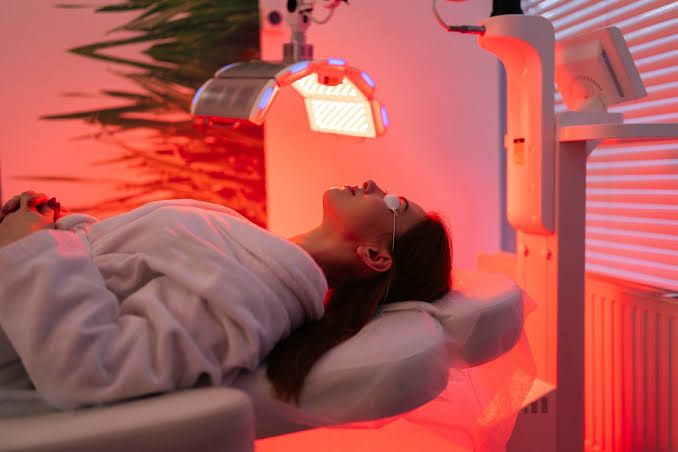
In today’s fast-paced world, effective recovery is just as important as regular exercise and healthy living. Red Light Therapy for Recovery has emerged as a popular, non-invasive wellness solution for people looking to support muscle repair, reduce fatigue, and improve overall physical performance. By using therapeutic red and near-infrared light, this advanced treatment helps stimulate the body’s natural healing processes at the cellular level. Whether you’re an athlete training for peak performance, a fitness enthusiast recovering after workouts, or someone dealing with everyday muscle discomfort, red light therapy offers a safe and convenient way to enhance recovery without medication or invasive procedures.
This article explains the science behind Red Light Therapy for Recovery, highlights its potential health benefits, and explores why it has become a valuable addition to modern fitness and wellness routines.
Understanding How Red Light Therapy for Recovery Works
Red Light Therapy for Recovery works by delivering specific wavelengths of red and near-infrared light deep into the body’s tissues. These wavelengths are absorbed by the mitochondria, the structures within cells responsible for producing adenosine triphosphate (ATP), the body’s primary source of cellular energy. Increased ATP production provides cells with more energy to repair damaged tissues, reduce oxidative stress, improve circulation, and support healthy inflammation responses. This natural biological process allows the body to recover more efficiently after physical activity while promoting overall cellular health.
Benefits of Red Light Therapy for Recovery
Many individuals use Red Light Therapy for Recovery because it offers a wide variety of wellness benefits. Regular treatment sessions may help reduce muscle soreness after exercise, improve flexibility, support faster recovery between workouts, and temporarily relieve minor joint discomfort. The therapy may also encourage collagen production, resulting in healthier-looking skin while promoting improved blood flow throughout the body. Some users report increased energy, better relaxation, and improved sleep quality, making red light therapy beneficial not only for athletic recovery but also for everyday wellness and stress management.
Everyday Applications
The versatility of Red Light Therapy For Recovery has made it increasingly popular among athletes, personal trainers, rehabilitation specialists, and individuals pursuing healthier lifestyles. It is commonly used after strength training, endurance workouts, sports competitions, or physically demanding workdays to support muscle repair and reduce recovery time. Many wellness clinics, fitness centers, and home users have adopted red light therapy as part of their regular self-care routines because treatments are comfortable, quick, and require no downtime.
Getting the Best Results
To maximize the benefits of Red Light Therapy for Recovery, consistency is essential. Most users follow a regular treatment schedule based on the recommendations provided with their device or guidance from a healthcare professional. Combining red light therapy with proper hydration, balanced nutrition, quality sleep, and an appropriate exercise program can further support the body’s natural recovery process. Individuals with specific medical conditions or increased sensitivity to light should seek professional medical advice before beginning treatment.
Red Light Therapy for Recovery continues to gain recognition as an effective and natural method for supporting the body’s healing and recovery processes. By improving cellular energy production and encouraging tissue repair, this innovative therapy may help reduce muscle soreness, improve circulation, enhance skin health, and promote overall physical well-being. As more research continues to explore its therapeutic potential, Red Light Therapy for Recovery is becoming an increasingly valuable tool for athletes, active individuals, and anyone looking to recover more efficiently while maintaining a healthier and more active lifestyle.
Leave a Reply