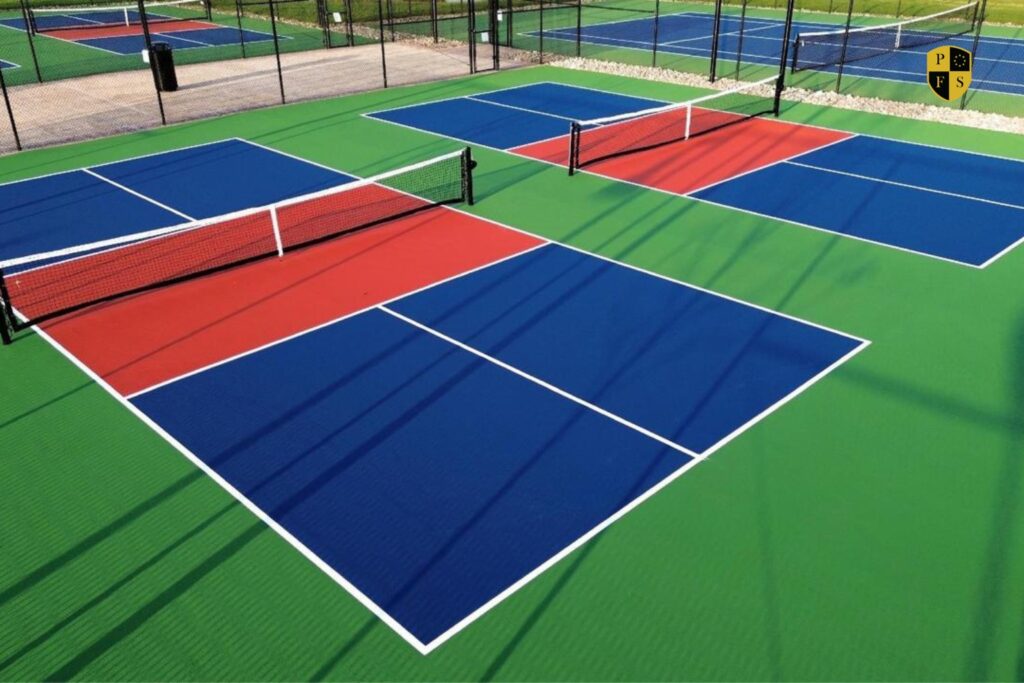
Sports flooring plays a crucial role in enhancing athletic performance and ensuring the safety of athletes across various disciplines. Whether in a gymnasium, a sports hall, or an outdoor arena, the right flooring can significantly impact gameplay, offering optimal traction, cushioning, and shock absorption. As the demand for high-quality sports surfaces continues to grow, understanding the diverse materials and technologies available becomes essential for facility managers, coaches, and athletes looking to maximize their performance and minimize injuries.
This article delves into the different types of sports flooring, exploring their unique characteristics and applications in various sports settings. From hardwood and tile to synthetic and rubber surfaces, we will highlight the benefits and considerations of each type, helping readers make informed decisions when it comes to selecting the appropriate flooring for their specific needs. By examining the latest advancements in sports flooring technology, we aim to provide a comprehensive overview that guides stakeholders in creating safe and effective environments for athletic endeavors.
Types of Sports Flooring Materials
Various types of sports flooring materials are designed to meet the specific demands of different athletic activities. Hardwood flooring, commonly used in basketball and volleyball courts, offers excellent durability and aesthetic appeal but may require regular maintenance to preserve its performance qualities. Conversely, synthetic surfaces, including polyurethane and multi-layered systems, provide enhanced shock absorption and are ideal for sports that require frequent lateral movements, such as tennis and soccer. For more versatile settings, sports flooring options like rubber tiles and mats are becoming increasingly popular due to their ability to accommodate various indoor and outdoor sports with minimal injury risk.
Advancements in Sports Flooring Technology
Recent advancements in sports flooring technology have focused on improving player safety and performance while ensuring maintenance efficiency. Innovations such as moisture-resistant coatings and engineered subflooring layers are revolutionizing how sports facilities manage environmental factors and surface durability. Additionally, many modern surfaces incorporate anti-microbial properties that help maintain hygienic conditions in high-traffic areas, reducing the risk of injury and illness among athletes. By staying informed about these developments, facility managers and coaches can choose the best flooring solutions tailored to their needs, fostering an optimal environment for athletic excellence.
In conclusion, the right choice of sports flooring not only enhances athletic performance but also plays a pivotal role in safeguarding the health and safety of athletes. As we navigate the evolving landscape of sports technology, it is vital for stakeholders to consider factors such as material properties, maintenance demands, and the specific requirements of various sports when selecting flooring solutions. The advancements in flooring materials and construction techniques promise to provide durable, high-performing surfaces that maximize player safety and comfort. By prioritizing quality flooring, sports facilities can create environments that not only facilitate peak athletic performance but also promote overall well-being among participants, ultimately contributing to the growth and success of sports in our communities.
Leave a Reply