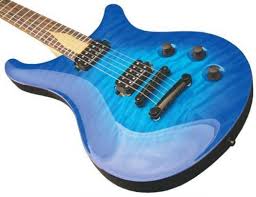
Are you a musician looking for a unique and customized electric guitar that reflects your personal style and sound preferences? Look no further than a custom electric guitar builder. These skilled artisans are dedicated to crafting one-of-a-kind instruments that are tailored to the individual needs and tastes of each musician.
Whether you are looking for a specific wood type, pickup configuration, or body shape, a custom electric guitar builder can create the perfect instrument for you. From vintage-inspired designs to modern innovations, the possibilities are endless when it comes to customizing your dream guitar. Discover the world of custom electric guitar builders and take your musical journey to the next level.
Customize Your Instrument
When working with a custom electric guitar builder, you have the opportunity to customize every aspect of your instrument. From choosing the wood type for the body to selecting the pickups that will shape your unique sound, the possibilities are truly endless. These builders are passionate about bringing your vision to life and creating a guitar that not only looks stunning but also plays and sounds exactly how you want it to.
Unique Design Options
By collaborating with a custom electric guitar builder, you can explore a wide range of design options to make your instrument stand out from the rest. Whether you prefer a classic, vintage-inspired look or a sleek, modern design, these skilled artisans can bring your ideas to fruition. From intricate inlays to unique finishes, a custom electric guitar builder can help you create a truly one-of-a-kind instrument that reflects your style and musical personality.
With a custom electric guitar builder, you have the freedom to create a instrument that is truly unique and reflects your individual style and preferences. From choosing the wood type to selecting the pickups, every detail is tailored to your specific needs. These skilled artisans are dedicated to bringing your vision to life, resulting in a guitar that not only looks stunning but also plays and sounds exactly how you want it to. So, unleash your creativity, explore the endless possibilities, and take your musical journey to new heights with a custom electric guitar builder.