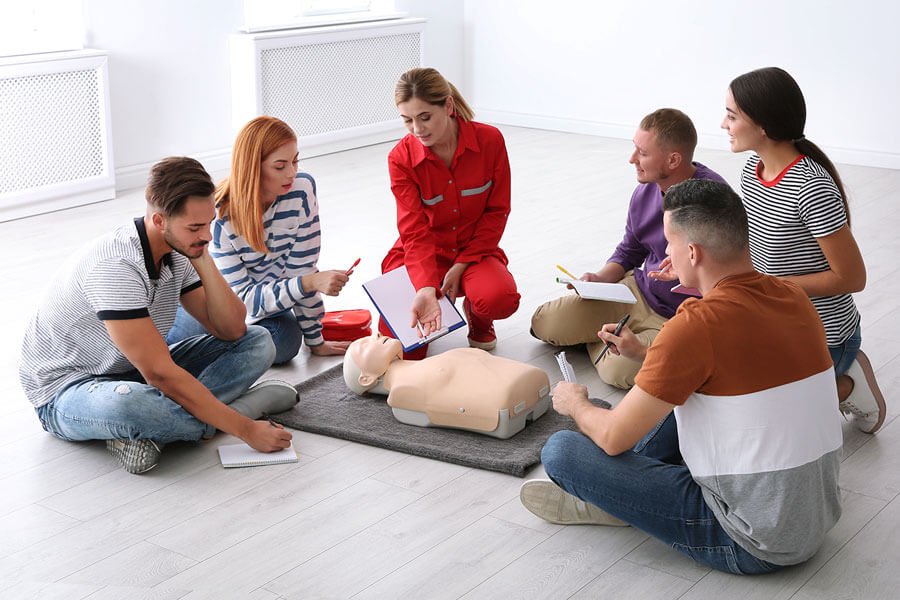
Basic Life Support (BLS) certification is an essential credential for healthcare professionals and laypersons alike, equipping individuals with the necessary skills to respond effectively in emergency situations. This vital training focuses on the recognition and management of life-threatening scenarios, such as cardiac arrests, respiratory crises, and choking incidents. By learning key techniques, participants not only increase their preparedness for emergencies but also contribute to saving lives in their communities.
In this article, we will explore the significance of BLS certification, the core components of the training, and the various certification options available. Whether you’re a medical professional seeking to enhance your qualifications or an individual wanting to gain confidence in emergency response, understanding BLS principles can make a critical difference when every second counts.
Importance of BLS Certification
Obtaining a Basic Life Support (BLS) certification is a crucial step in developing proficiency in emergency care, enabling individuals to effectively assist during critical situations. This training emphasizes not only the technical skills of CPR but also highlights the importance of teamwork in a resuscitation scenario. By understanding how to operate in high-pressure environments, participants gain the confidence to act decisively, potentially bridging the gap before emergency services arrive. Moreover, accessibility is key; many organizations provide various options to secure bls certification near me, ensuring that anyone interested can easily enhance their skill set.
Core Components of BLS Training
The BLS training curriculum covers essential topics, including the assessment of the scene, initial patient evaluation, and the appropriate delivery of CPR and automated external defibrillator (AED) usage. Participants learn how to recognize the signs of cardiac arrest and other emergencies, ensuring a swift and effective response. Additionally, BLS courses encompass techniques for obstructed airways, such as the Heimlich maneuver, which can be lifesaving in choking instances. This comprehensive approach reinforces a proactive mindset, encouraging trainees to not only act in emergencies but to also promote awareness and preparedness within their communities.
In conclusion, possessing a Basic Life Support (BLS) certification is not just a professional asset but a vital life skill that empowers individuals to make a difference in emergency situations. The comprehensive training equips participants with the knowledge and practical techniques required to respond effectively to crises, thereby increasing the likelihood of positive outcomes in potentially life-threatening scenarios. Moreover, the confidence gained from BLS training transforms bystanders into active responders who can potentially save lives while waiting for professional medical help to arrive. As the landscape of healthcare and emergency response continues to evolve, investing in BLS certification is a commitment to safety, preparedness, and the well-being of oneself and others. By embracing this essential training, individuals can contribute significantly to their communities and help create a culture of readiness in the face of emergencies.
Leave a Reply