
Keeping your eyes healthy is vital to overall health. Follow the 20-20-20 rule and avoid eye strain. Taking vitamins A, C, and E can help keep your eyes healthy. And be sure to avoid germs! A humidifier is helpful in preventing dry eyes. These 6 Eye Care Tips from Prairie Eye Care Optometrists in Winnipeg will help keep your eyes comfortable. But what if you can’t remember to visit your optometrist? Read on to learn more about the tips that your eyes will thank you for.
20-20-20 rule reduces eye strain
The 20-20-20 rule is a simple reminder to take eye breaks every 20 minutes. If you don’t, you’re likely to experience dry eyes, rubbing your eyes, or blinking more than usual. Eye strain also can lead to headaches, mental fog, and burnout. If you find your concentration slipping when you’re in front of the computer, it’s possible you’re suffering from eye strain. You may be tempted to take a headache tablet, but the results of this will be less effective.
In addition to taking frequent breaks, the 20-20-20 rule helps prevent eye strain. If you use your computer for more than 20 minutes, it’s a good idea to take a break every 20 minutes to let your eyes rest. In addition to using an antiglare protective screen cover, you can also adjust screen brightness. You can also change the font size or change the background color. A white background tends to cause less strain to the eyes, but if you need to read the text, try using black text on a white background.
Vitamins A, C and E support eye health
While all three vitamins are vital for healthy eyes, one in particular is especially important for your vision. Vitamin E is a powerful antioxidant, which protects eye cells from the harmful effects of free radicals. Free radicals break down healthy tissue, including retina cells. Foods rich in vitamin E include sunflower seeds, walnuts, wheat germ, and sweet potatoes. Also, fatty acids from fish such as omega-3 fatty acids are important for retinal function and proper visual development. Cold-water fish are good sources of these nutrients.
Foods rich in vitamin E can help prevent age-related cataracts. While specific vitamin supplements do not prevent AMD, high doses can slow the progression of the disease in a large number of people. But it’s best to consult with a health professional before starting a vitamin supplement. Some studies have shown that omega-3s from fish oil supplements did not improve the condition of dry eye in subjects. In addition, they were not significantly better than a placebo.
Regular eye exams
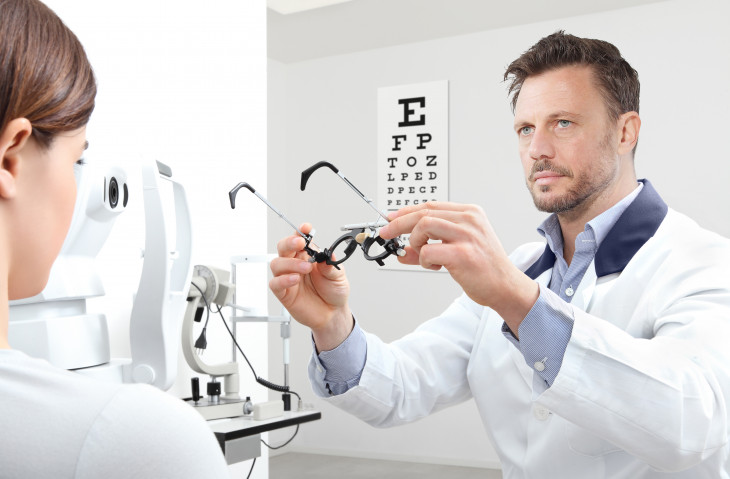
Your eye exam is an important tool in detecting serious problems and preventing them. If there is a problem with your eyesight, your doctor can test it to determine if you are at risk of developing other health problems. Besides checking your eyes, your doctor can detect diseases like diabetes, glaucoma, or macular degeneration. He may also detect a disease called Graves Disease, which affects the eyes.
Your doctor will also conduct a slit-lamp exam, in which the front of the eye is magnified. This will allow him or her to examine the eye’s retina and the structures behind the iris and lens. They will also check your peripheral vision, depth perception, and eye coordination. During a comprehensive exam, your doctor will also look inside the eye to see if you have cataracts or glaucoma. Regardless of the type of eye examination you undergo, it is important to schedule an appointment with an optometrist at least once a year.
Avoiding germs
Keeping your eyes healthy and germ-free is very important, but sometimes we just cannot resist the temptation to touch our eyes. Even if it’s an unconscious habit, touching our eyes is the easiest way to get sick. Luckily, you can avoid contact with germs by regularly washing your hands, including your hands, nose, and mouth. This is especially important if you wear contact lenses. Also, when you have contact lenses, take them out before bed.
It’s nearly impossible to avoid the spread of germs, especially when we’re using public surfaces, but we can take precautions to avoid getting sick. A simple habit of hand washing can help prevent many eye infections, including pink eye, conjunctivitis, and acanthamoeba keratitis. Hand washing is the first line of defense when it comes to germs. Germs can be spread from person-to-person or off of objects, including eye contacts, so hand washing is crucial.
Avoiding drugs
Although the process of prescribing medicine is relatively complex, errors are still fairly common, and errors in prescribing eye care medications are no exception. In this article, we discuss several ways to avoid errors in eye care medication prescriptions. First, consider the drug name: Latin abbreviations and drug names can be misinterpreted. In addition, pharmacists and nurses can ensure that eye medications are administered properly. By following these guidelines, patients will be more likely to receive the appropriate treatment.
Taking a break
When you visit an optometrist, make sure to take a break every 20 minutes. The 20-20-20 rule helps reduce eye strain by reminding you to close your eyes for 20 seconds every 20 minutes. Blinking often is also recommended, as it prevents dry eye and encourages tear production. Also, get up and walk around periodically. Though there is little scientific evidence to support the 20-20-20 rule, optometrists often recommend it.
During an eye exam, optometrists dilate your pupils, which may make you feel more sensitive to light for four to six hours afterward. You may want to wear sunglasses during this time to avoid a flare-up. Also, caffeine in coffee can increase your blood pressure, which is one of the reasons it’s important to have a yearly eye exam. While your eye doctor may recommend that you avoid caffeine, it’s not a cure-all.
Leave a Reply